Buy smtebooks.eu ?
We are moving the project
smtebooks.eu .
Are you interested in purchasing the domain
smtebooks.eu ?
domain@kv-gmbh.de · 0541-91531010
Buy smtebooks.eu ?
Is the tractor's braking system hydraulic or pneumatic?
The tractor's braking system is typically hydraulic. Hydraulic braking systems use fluid to transfer force from the brake pedal to the brake calipers, which then apply pressure to the brake pads. This system is known for its reliability and efficiency in stopping heavy vehicles like tractors. **
Can pneumatic pressure be increased as much as hydraulic pressure?
Pneumatic pressure cannot be increased as much as hydraulic pressure. This is because pneumatic systems use air or gas to generate pressure, which is compressible and can lead to leaks or fluctuations in pressure. On the other hand, hydraulic systems use incompressible fluids like oil, which allows for higher pressure levels to be achieved and maintained more easily. Therefore, hydraulic systems are generally capable of generating higher pressures compared to pneumatic systems. **

Similar search terms for Air-Hydraulic-Riveter-Pneumatic
Top-Angebote
Products related to Air-Hydraulic-Riveter-Pneumatic:
-
Inspired Deals Air Pressure Wine Bottle Opener Easy Cork Remover Portable Pneumatic Tool light SilverOpening a bottle of wine should feel effortless, not frustrating. This wine bottle opener is designed for anyone who wants a quick, clean, and stressfree way to enjoy their favorite bottle. Using a smart air pressure wine opener mechanism, it...39,97 $*Shipping: 0,00 $Secure redirect to the provider
-
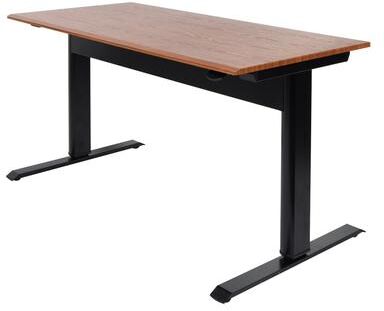
Luxor Pneumatic Standing Desk Converter - BlackEnjoy the benefits of a standing desk at a fraction of the typical cost with the Pneumatic Standing Desk Converter from Luxor. This high-quality height-adjustable stand up desk converter comes fully assembled and ready to use.208,49 $*Shipping: 0,00 $Secure redirect to the provider



-
Why do trucks have pneumatic brakes instead of hydraulic brakes like cars?
Trucks have pneumatic brakes instead of hydraulic brakes like cars because pneumatic brakes are better suited for heavy-duty applications. Pneumatic brakes use compressed air to operate, which allows for greater braking force and reliability, making them ideal for stopping large and heavy vehicles like trucks. Additionally, pneumatic brakes are less prone to overheating and are better equipped to handle the high demands of commercial trucking. Overall, pneumatic brakes provide the necessary power and durability required for the heavy loads and long distances that trucks typically encounter. **
-
How does an air hydraulic jack work?
An air hydraulic jack works by using compressed air to power a hydraulic cylinder. When the air is pumped into the cylinder, it pushes against a piston which in turn moves a set of gears that lift the jack. The hydraulic fluid inside the cylinder helps to transfer the force from the compressed air to the piston, allowing the jack to lift heavy objects with ease. The air pressure can be controlled to adjust the lifting capacity of the jack. **
-
How does an air hydraulic car jack work?
An air hydraulic car jack works by using compressed air to power a hydraulic cylinder. When the air is released into the cylinder, it pushes against a piston which in turn raises the jack arm. This allows the car to be lifted off the ground for maintenance or tire changes. The hydraulic system provides the necessary force to lift the heavy vehicle with ease. **
-
With which pneumatic controls is oil-free compressed air used?
Oil-free compressed air is used with pneumatic controls that require clean and dry air, such as in food and beverage processing, pharmaceutical manufacturing, and electronics assembly. These controls include pneumatic valves, actuators, cylinders, and air tools. Oil-free compressed air is essential in these applications to prevent contamination and ensure the proper functioning of the pneumatic systems. **

Why do most locomotives have traction vehicles with electric and pneumatic brake systems and not hydraulic brakes?
Most locomotives have traction vehicles with electric and pneumatic brake systems instead of hydraulic brakes because electric and pneumatic systems are more reliable and easier to maintain. Electric brakes are responsive and provide precise control over braking, while pneumatic brakes are effective at stopping heavy trains quickly. Additionally, electric and pneumatic systems are better suited for the harsh conditions and heavy loads that locomotives operate under compared to hydraulic brakes. **
How many liters of air are needed for a pneumatic angle grinder?
The amount of air needed for a pneumatic angle grinder can vary depending on the specific model and brand. However, on average, a pneumatic angle grinder typically requires around 170-200 liters per minute (L/min) of air to operate efficiently. It is important to check the manufacturer's specifications for the specific model you are using to ensure you have the appropriate air supply for optimal performance. **
Top-Angebote
Products related to Air-Hydraulic-Riveter-Pneumatic:
-
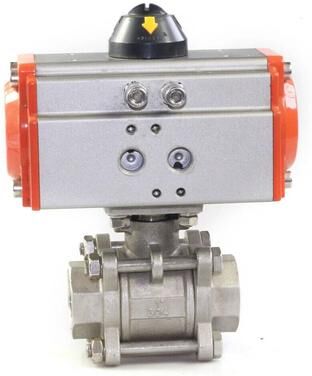
All Categories Goods Premium Stainless Steel Pneumatic Ball Valve Air Actuated Valve Premium Stainless Steel Pneumatic Ball Valve Air Actuated ValveStep up to reliable, highperformance control with this pneumatic ball valve built for precision and durability. Designed for professionals who demand dependable flow control in industrial air or fluid systems, this 12 approx stainless steel ball...159,97 $*Shipping: 0,00 $Secure redirect to the provider
-
Everyday Crate 16A Pneumatic Air Pressure Switch For Bathtubs, Spas & Hot Tub Remote Control Systems 16A Pneumatic Air Pressure Switch For Bathtubs, Spas & Hot Tub Remote Control SystemsExperience safer and more convenient equipment control with this pneumatic air pressure switch designed for wet and demanding environments. Ideal for homeowners, technicians, and spa equipment installers, it enables reliable remote activation...39,97 $*Shipping: 0,00 $Secure redirect to the provider
-
Inspired Deals Air Pressure Wine Bottle Opener Easy Cork Remover Portable Pneumatic Tool light SilverOpening a bottle of wine should feel effortless, not frustrating. This wine bottle opener is designed for anyone who wants a quick, clean, and stressfree way to enjoy their favorite bottle. Using a smart air pressure wine opener mechanism, it...39,97 $*Shipping: 0,00 $Secure redirect to the provider
-
Is the tractor's braking system hydraulic or pneumatic?
The tractor's braking system is typically hydraulic. Hydraulic braking systems use fluid to transfer force from the brake pedal to the brake calipers, which then apply pressure to the brake pads. This system is known for its reliability and efficiency in stopping heavy vehicles like tractors. **
-
Can pneumatic pressure be increased as much as hydraulic pressure?
Pneumatic pressure cannot be increased as much as hydraulic pressure. This is because pneumatic systems use air or gas to generate pressure, which is compressible and can lead to leaks or fluctuations in pressure. On the other hand, hydraulic systems use incompressible fluids like oil, which allows for higher pressure levels to be achieved and maintained more easily. Therefore, hydraulic systems are generally capable of generating higher pressures compared to pneumatic systems. **
-
Why do trucks have pneumatic brakes instead of hydraulic brakes like cars?
Trucks have pneumatic brakes instead of hydraulic brakes like cars because pneumatic brakes are better suited for heavy-duty applications. Pneumatic brakes use compressed air to operate, which allows for greater braking force and reliability, making them ideal for stopping large and heavy vehicles like trucks. Additionally, pneumatic brakes are less prone to overheating and are better equipped to handle the high demands of commercial trucking. Overall, pneumatic brakes provide the necessary power and durability required for the heavy loads and long distances that trucks typically encounter. **
-
How does an air hydraulic jack work?
An air hydraulic jack works by using compressed air to power a hydraulic cylinder. When the air is pumped into the cylinder, it pushes against a piston which in turn moves a set of gears that lift the jack. The hydraulic fluid inside the cylinder helps to transfer the force from the compressed air to the piston, allowing the jack to lift heavy objects with ease. The air pressure can be controlled to adjust the lifting capacity of the jack. **
Similar search terms for Air-Hydraulic-Riveter-Pneumatic
-
Luxor Pneumatic Standing Desk Converter - BlackEnjoy the benefits of a standing desk at a fraction of the typical cost with the Pneumatic Standing Desk Converter from Luxor. This high-quality height-adjustable stand up desk converter comes fully assembled and ready to use.208,49 $*Shipping: 0,00 $Secure redirect to the provider
-
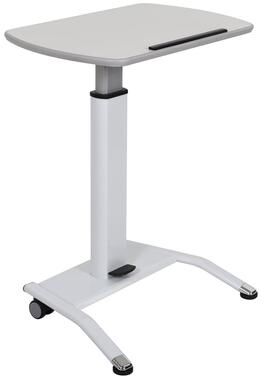
Luxor White Steel Pneumatic Height Adjustable LecternLuxor's newest and most versatile lectern caters to multiple users in a variety of environments. The convenient pneumatic foot pedal swiftly and quietly adjusts the height between 28″ - 42.5″, allowing users to comfortably sit or stand.199,07 $*Shipping: 0,00 $Secure redirect to the provider
-
How does an air hydraulic car jack work?
An air hydraulic car jack works by using compressed air to power a hydraulic cylinder. When the air is released into the cylinder, it pushes against a piston which in turn raises the jack arm. This allows the car to be lifted off the ground for maintenance or tire changes. The hydraulic system provides the necessary force to lift the heavy vehicle with ease. **
-
With which pneumatic controls is oil-free compressed air used?
Oil-free compressed air is used with pneumatic controls that require clean and dry air, such as in food and beverage processing, pharmaceutical manufacturing, and electronics assembly. These controls include pneumatic valves, actuators, cylinders, and air tools. Oil-free compressed air is essential in these applications to prevent contamination and ensure the proper functioning of the pneumatic systems. **
-
Why do most locomotives have traction vehicles with electric and pneumatic brake systems and not hydraulic brakes?
Most locomotives have traction vehicles with electric and pneumatic brake systems instead of hydraulic brakes because electric and pneumatic systems are more reliable and easier to maintain. Electric brakes are responsive and provide precise control over braking, while pneumatic brakes are effective at stopping heavy trains quickly. Additionally, electric and pneumatic systems are better suited for the harsh conditions and heavy loads that locomotives operate under compared to hydraulic brakes. **
-
How many liters of air are needed for a pneumatic angle grinder?
The amount of air needed for a pneumatic angle grinder can vary depending on the specific model and brand. However, on average, a pneumatic angle grinder typically requires around 170-200 liters per minute (L/min) of air to operate efficiently. It is important to check the manufacturer's specifications for the specific model you are using to ensure you have the appropriate air supply for optimal performance. **
* All prices are inclusive of VAT and, if applicable, plus shipping costs. The offer information is based on the details provided by the respective shop and is updated through automated processes. Real-time updates do not occur, so deviations can occur in individual cases. ** Note: Parts of this content were created by AI.