Buy smtebooks.eu ?
We are moving the project
smtebooks.eu .
Are you interested in purchasing the domain
smtebooks.eu ?
domain@kv-gmbh.de · 0541-91531010
Buy smtebooks.eu ?
What does the archaeologist ask?
The archaeologist asks questions related to the past, such as how people lived, what they ate, what tools they used, and how they interacted with their environment. They also inquire about the significance of artifacts, structures, and other remains found at a site, seeking to understand the cultural, social, and economic aspects of ancient societies. Additionally, archaeologists may ask questions about the chronology of a site, trying to determine when specific events occurred and how they relate to broader historical contexts. **
Can one advance as an archaeologist?
Yes, one can advance as an archaeologist by gaining experience through fieldwork, research, and publications. Advancement opportunities can also come through pursuing higher education such as a master's or doctoral degree in archaeology or a related field. Building a strong network within the archaeological community, attending conferences, and collaborating with other professionals can also help in advancing one's career in archaeology. Additionally, seeking out leadership roles in archaeological projects or organizations can further contribute to career advancement in this field. **


Similar search terms for Archaeologist
Top-Angebote
Products related to Archaeologist:
-
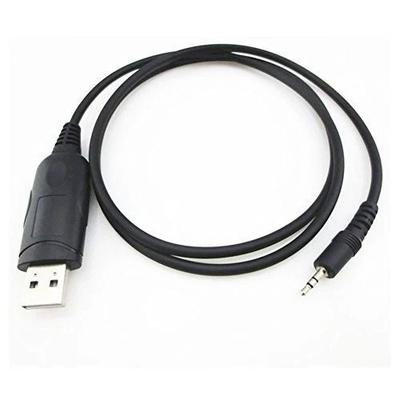
Motorola Programming Cable Motorola Programming CableStaying connected starts with gear you can trust. This 1 pc of Motorola CP200 programming cable makes it easier to program compatible radios quickly and confidently, whether you manage a fleet or maintain a few essential units. Designed for users...49,97 $*Shipping: 0,00 $Secure redirect to the provider
-
Learning Resources Switcheroo Coding CrewJoin the Switcheroo Coding Crew for challenge-solving, obstacle-evading, screen-free rescue missions! Preschoolers save the day the coding way with this three-in-one rescue robot who's ready for early STEM fun! Snap on a vehicle shell to transform...59,99 $*Shipping: 0,00 $Secure redirect to the provider
-
Bluetooth Page Turner Remote For Ebooks And Video Scrolling blueEnjoy handsfree reading, swiping, and scrolling with this compact Bluetooth Page Turner Remote. Whether you're flipping through an ebook, scrolling social media, or watching short videos, this wireless remote gives you fingertip control from a...42,97 $*Shipping: 0,00 $Secure redirect to the provider
-
Learning Resources Pyxel The Coding PetKids use a computer or tablet to program this four-legged friend, then send their commands to the included remote to make the pet move, “talk”, and change facial expressions. Includes Coding Pet, user interface, and remote-activator unit. Pyxel The...124,99 $*Shipping: 0,00 $Secure redirect to the provider



-
Can you advance as an archaeologist?
Yes, you can advance as an archaeologist by gaining more experience, pursuing higher education such as a master's or doctoral degree in archaeology or a related field, specializing in a specific area of archaeology, and conducting research and publishing your findings. Advancement opportunities may also include taking on leadership roles in archaeological projects, working for prestigious institutions, and collaborating with other experts in the field. Continuous learning, networking, and staying updated on the latest developments in archaeology are key to advancing in this career. **
-
How does one become an archaeologist?
To become an archaeologist, one typically needs to earn a bachelor's degree in archaeology, anthropology, or a related field. Some positions may require a master's or doctoral degree, especially for research or academic roles. It is also important to gain field experience through internships, volunteer work, or field schools. Developing strong research, analytical, and communication skills is essential for success in this field. Additionally, networking with professionals in the field and staying updated on current archaeological methods and technologies can help advance a career in archaeology. **
-
How do I become an archaeologist?
To become an archaeologist, you typically need a bachelor's degree in archaeology or a related field such as anthropology, history, or classics. It is also beneficial to gain fieldwork experience through internships or volunteer opportunities. Some archaeologists pursue advanced degrees, such as a master's or Ph.D., to specialize in a particular area of archaeology. Networking with professionals in the field and staying current with developments in archaeology are also important steps in becoming a successful archaeologist. **
-
What skills does an archaeologist need?
Archaeologists need a combination of technical skills, such as excavation techniques, artifact analysis, and mapping, as well as critical thinking and problem-solving skills to interpret findings. They also need strong research skills to analyze historical documents and data. Effective communication skills are essential for presenting findings to both academic audiences and the general public. Additionally, archaeologists need to be detail-oriented, patient, and have a passion for history and culture. **


Is there a similar profession to archaeologist?
Yes, a similar profession to archaeologist is anthropologist. Both archaeologists and anthropologists study human societies and cultures, but archaeologists focus on studying past human societies through the analysis of material remains such as artifacts, structures, and environmental data, while anthropologists study human societies and cultures in a broader sense, including their social, cultural, biological, and linguistic aspects. Both professions require a strong understanding of human history and culture, as well as the ability to conduct research and analyze data. **
Can one be a historian and archaeologist?
Yes, one can be a historian and an archaeologist. Historians study and interpret written records and documents to understand and analyze past events, while archaeologists study material remains such as artifacts, structures, and landscapes to reconstruct and understand past human cultures and societies. Both disciplines are complementary and often overlap in their research methods and goals, making it possible for individuals to be trained and work in both fields. This interdisciplinary approach can provide a more comprehensive understanding of the past. **
Top-Angebote
Products related to Archaeologist:
-
Waveshare STM8 Programmer Adapter QFP48 SWIM Development Board For MCU Programming Waveshare STM8 Programmer Adapter QFP48 SWIM Development Board For MCU ProgrammingBring confidence and precision to every programming project with the STM8 programmer adapter designed for developers, engineers, and electronics enthusiasts. This compact QFP48 programmer provides a reliable platform for programming, debugging, and...109,97 $*Shipping: 0,00 $Secure redirect to the provider
-
Jaguar Land Rover USB Diagnostic Cable For OBD Programming Key Coding & Fault Scanner For Jaguar Land RoverTake control of your vehicle diagnostics with this powerful Jaguar Land Rover diagnostic cable designed for precision and ease. Built for mechanics, car enthusiasts, and DIY users, it lets you quickly identify faults, program systems, and match keys...79,97 $*Shipping: 0,00 $Secure redirect to the provider
-
Motorola Programming Cable Motorola Programming CableStaying connected starts with gear you can trust. This 1 pc of Motorola CP200 programming cable makes it easier to program compatible radios quickly and confidently, whether you manage a fleet or maintain a few essential units. Designed for users...49,97 $*Shipping: 0,00 $Secure redirect to the provider
-
Learning Resources Switcheroo Coding CrewJoin the Switcheroo Coding Crew for challenge-solving, obstacle-evading, screen-free rescue missions! Preschoolers save the day the coding way with this three-in-one rescue robot who's ready for early STEM fun! Snap on a vehicle shell to transform...59,99 $*Shipping: 0,00 $Secure redirect to the provider
-
What does the archaeologist ask?
The archaeologist asks questions related to the past, such as how people lived, what they ate, what tools they used, and how they interacted with their environment. They also inquire about the significance of artifacts, structures, and other remains found at a site, seeking to understand the cultural, social, and economic aspects of ancient societies. Additionally, archaeologists may ask questions about the chronology of a site, trying to determine when specific events occurred and how they relate to broader historical contexts. **
-
Can one advance as an archaeologist?
Yes, one can advance as an archaeologist by gaining experience through fieldwork, research, and publications. Advancement opportunities can also come through pursuing higher education such as a master's or doctoral degree in archaeology or a related field. Building a strong network within the archaeological community, attending conferences, and collaborating with other professionals can also help in advancing one's career in archaeology. Additionally, seeking out leadership roles in archaeological projects or organizations can further contribute to career advancement in this field. **
-
Can you advance as an archaeologist?
Yes, you can advance as an archaeologist by gaining more experience, pursuing higher education such as a master's or doctoral degree in archaeology or a related field, specializing in a specific area of archaeology, and conducting research and publishing your findings. Advancement opportunities may also include taking on leadership roles in archaeological projects, working for prestigious institutions, and collaborating with other experts in the field. Continuous learning, networking, and staying updated on the latest developments in archaeology are key to advancing in this career. **
-
How does one become an archaeologist?
To become an archaeologist, one typically needs to earn a bachelor's degree in archaeology, anthropology, or a related field. Some positions may require a master's or doctoral degree, especially for research or academic roles. It is also important to gain field experience through internships, volunteer work, or field schools. Developing strong research, analytical, and communication skills is essential for success in this field. Additionally, networking with professionals in the field and staying updated on current archaeological methods and technologies can help advance a career in archaeology. **
Similar search terms for Archaeologist
-
Bluetooth Page Turner Remote For Ebooks And Video Scrolling blueEnjoy handsfree reading, swiping, and scrolling with this compact Bluetooth Page Turner Remote. Whether you're flipping through an ebook, scrolling social media, or watching short videos, this wireless remote gives you fingertip control from a...42,97 $*Shipping: 0,00 $Secure redirect to the provider
-
Learning Resources Pyxel The Coding PetKids use a computer or tablet to program this four-legged friend, then send their commands to the included remote to make the pet move, “talk”, and change facial expressions. Includes Coding Pet, user interface, and remote-activator unit. Pyxel The...124,99 $*Shipping: 0,00 $Secure redirect to the provider
-
Ethernet To OBD Interface Cable BMW ENET Coding Tool Ethernet To OBD Interface Cable BMW ENET Coding ToolUnlock advanced diagnostics and coding for your BMW with this Ethernet to OBD interface cable. Designed for FSeries and GSeries vehicles, it allows fast and stable connection between your car and a laptop using ESYS or ICOM software. Built with...67,97 $*Shipping: 0,00 $Secure redirect to the provider
-
Bluetooth Page Turner Remote For Ebooks And Video Scrolling whiteEnjoy handsfree reading, swiping, and scrolling with this compact Bluetooth Page Turner Remote. Whether you're flipping through an ebook, scrolling social media, or watching short videos, this wireless remote gives you fingertip control from a...42,97 $*Shipping: 0,00 $Secure redirect to the provider
-
How do I become an archaeologist?
To become an archaeologist, you typically need a bachelor's degree in archaeology or a related field such as anthropology, history, or classics. It is also beneficial to gain fieldwork experience through internships or volunteer opportunities. Some archaeologists pursue advanced degrees, such as a master's or Ph.D., to specialize in a particular area of archaeology. Networking with professionals in the field and staying current with developments in archaeology are also important steps in becoming a successful archaeologist. **
-
What skills does an archaeologist need?
Archaeologists need a combination of technical skills, such as excavation techniques, artifact analysis, and mapping, as well as critical thinking and problem-solving skills to interpret findings. They also need strong research skills to analyze historical documents and data. Effective communication skills are essential for presenting findings to both academic audiences and the general public. Additionally, archaeologists need to be detail-oriented, patient, and have a passion for history and culture. **
-
Is there a similar profession to archaeologist?
Yes, a similar profession to archaeologist is anthropologist. Both archaeologists and anthropologists study human societies and cultures, but archaeologists focus on studying past human societies through the analysis of material remains such as artifacts, structures, and environmental data, while anthropologists study human societies and cultures in a broader sense, including their social, cultural, biological, and linguistic aspects. Both professions require a strong understanding of human history and culture, as well as the ability to conduct research and analyze data. **
-
Can one be a historian and archaeologist?
Yes, one can be a historian and an archaeologist. Historians study and interpret written records and documents to understand and analyze past events, while archaeologists study material remains such as artifacts, structures, and landscapes to reconstruct and understand past human cultures and societies. Both disciplines are complementary and often overlap in their research methods and goals, making it possible for individuals to be trained and work in both fields. This interdisciplinary approach can provide a more comprehensive understanding of the past. **
* All prices are inclusive of VAT and, if applicable, plus shipping costs. The offer information is based on the details provided by the respective shop and is updated through automated processes. Real-time updates do not occur, so deviations can occur in individual cases. ** Note: Parts of this content were created by AI.