Buy smtebooks.eu ?
We are moving the project
smtebooks.eu .
Are you interested in purchasing the domain
smtebooks.eu ?
domain@kv-gmbh.de · 0541-91531010
Buy smtebooks.eu ?
Why is there usually a higher polymorphism in non-coding DNA compared to coding DNA?
Non-coding DNA, such as introns and intergenic regions, is not under the same selective pressure as coding DNA, which must maintain the amino acid sequence of proteins. This lack of selective pressure allows for more genetic variation to accumulate in non-coding regions over time. Additionally, non-coding DNA can tolerate mutations more easily without affecting the organism's phenotype, leading to a higher level of polymorphism. These polymorphisms in non-coding DNA can still have functional implications, such as regulating gene expression or affecting chromatin structure. **
Why is there usually a higher polymorphism in non-coding DNA than in coding DNA?
Non-coding DNA regions are not under the same selective pressure as coding DNA, which means mutations in non-coding regions are more likely to be tolerated without affecting the organism's survival or reproduction. This leads to a higher accumulation of genetic variation in non-coding regions over time. In contrast, mutations in coding regions can have a direct impact on the organism's phenotype and are more likely to be eliminated by natural selection, resulting in lower polymorphism in coding DNA. **

Similar search terms for Dna
Top-Angebote
Products related to Dna:
-
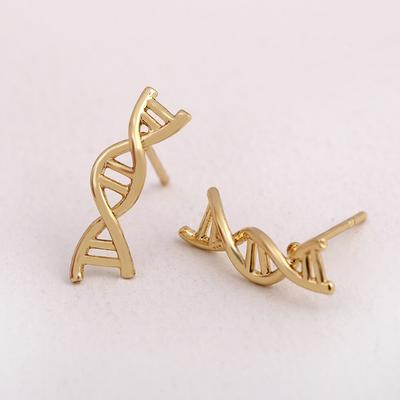
DNA Helix Earrings Studs SilverDNA. A molecule that stores all the information related to growth, inheritance, health, and eventually death – yes, it is that important. But the best part This genetic data makes all of us unique! This exact feeling helps us be stronger and better....16,97 $*Shipping: 0,00 $Secure redirect to the provider
-
Curasept ADS DNA 705 gel toothpaste 75 mlCurasept ADS DNA 705, 75 ml, Complete protection unisex, The Curasept ADS DNA 705 toothpaste ensures complete care for your teeth and gums. It cleans teeth of plaque and food remnants while caring for the gums and mucous membranes in your mouth. Characteristics: cleans teeth reliably takes care of gums prevents plaque prevents the build-up of tartar How to use: Clean the teeth at least twice a day with a quality toothbrush.5,44 £*Shipping: 3,99 £Secure redirect to the provider
-
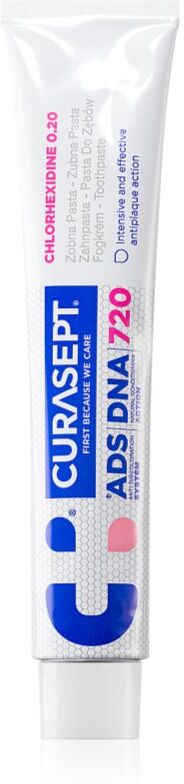
Curasept ADS DNA 720 gel toothpaste 75 mlCurasept ADS DNA 720, 75 ml, Complete protection unisex, The Curasept ADS DNA 720 toothpaste ensures complete care for your teeth and gums. It cleans teeth of plaque and food remnants while caring for the gums and mucous membranes in your mouth. Characteristics: prevents plaque takes care of gums cleans teeth reliably prevents the build-up of tartar How to use: Clean the teeth at least twice a day with a quality toothbrush.6,40 £*Shipping: 3,99 £Secure redirect to the provider


-
How is the non-coding strand of DNA converted into the coding strand of DNA?
The non-coding strand of DNA is used as a template to create the coding strand during the process of transcription. An enzyme called RNA polymerase binds to the non-coding strand and synthesizes a complementary RNA molecule. This RNA molecule is then processed and modified to become messenger RNA (mRNA), which serves as the template for protein synthesis. The mRNA is read by ribosomes to assemble the corresponding amino acids into a protein. **
-
What is DNA chip technology?
DNA chip technology, also known as a DNA microarray, is a powerful tool used in genetics and molecular biology to analyze the expression levels of thousands of genes simultaneously. It consists of a solid surface, such as a glass slide, with thousands of microscopic spots containing DNA probes that can hybridize with complementary DNA samples. By measuring the intensity of fluorescence at each spot, researchers can determine the expression levels of various genes in a biological sample, providing valuable insights into gene function and regulation. DNA chip technology has revolutionized the field of genomics by enabling high-throughput analysis of gene expression, genetic variation, and molecular interactions. **
-
Why is only non-coding DNA used in genetic fingerprinting?
Non-coding DNA is used in genetic fingerprinting because it is highly variable between individuals, making it useful for distinguishing between different people. Non-coding DNA, also known as junk DNA, does not code for proteins and is not involved in the expression of genes, so it is less likely to be under selective pressure and more likely to accumulate mutations over time. This high variability and lack of functional constraints make non-coding DNA ideal for genetic fingerprinting, as it can provide unique genetic profiles for individuals. **
-
What are the effects of non-coding DNA segments on traits?
Non-coding DNA segments, also known as non-coding regions or junk DNA, were once thought to have no functional significance. However, recent research has shown that non-coding DNA can have important regulatory roles in gene expression and can influence traits. For example, non-coding DNA can contain regulatory elements that control when and where genes are turned on and off, ultimately affecting an organism's traits. Additionally, non-coding DNA can also contribute to genetic variation and evolution by serving as a source of genetic diversity. Overall, non-coding DNA segments play a crucial role in shaping an organism's traits and genetic makeup. **

Does dinosaur DNA cross with human DNA?
No, dinosaur DNA does not cross with human DNA. This is because dinosaurs and humans are from completely different evolutionary lineages and are separated by millions of years of evolution. Additionally, dinosaur DNA has not been found intact, as it degrades over time, making it impossible to cross with human DNA. Therefore, there is no scientific evidence to support the idea that dinosaur DNA can cross with human DNA. **
How is the coding of DNA into mRNA carried out in genetics?
In genetics, the process of coding DNA into mRNA is carried out through a process called transcription. During transcription, an enzyme called RNA polymerase binds to a specific region of the DNA called the promoter and begins to unwind the DNA double helix. The RNA polymerase then reads the DNA sequence and synthesizes a complementary mRNA strand by adding nucleotides according to the base pairing rules (A with U, G with C, etc.). Once the mRNA strand is synthesized, it is processed and transported out of the nucleus to be translated into a protein by ribosomes. This process is essential for gene expression and the production of functional proteins in the cell. **
Top-Angebote
Products related to Dna:
-
Squish DNA Stress Ball Squish DNA Stress BallEveryone goes through difficult moments that are stressful and can jeopardize one's health. Stress and worry do not discriminate between the workplace and the home when it comes to wreaking havoc on your mental health. Yelling, weeping, or pounding...16,97 $*Shipping: 0,00 $Secure redirect to the provider
-
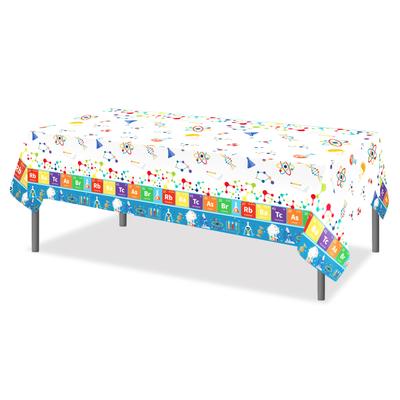
Scientist Party Tablecloth DNA & Chemical Birthday Decor Scientist Party Tablecloth DNA & Chemical Birthday DecorTurn ordinary celebrations into unforgettable experiences with this standout science party tablecloth that sparks curiosity and delight. Designed for hosts who want a unique theme, this 130220cm cover brings vibrant DNA themed party table cover...34,97 $*Shipping: 0,00 $Secure redirect to the provider
-
DNA Helix Earrings Studs SilverDNA. A molecule that stores all the information related to growth, inheritance, health, and eventually death – yes, it is that important. But the best part This genetic data makes all of us unique! This exact feeling helps us be stronger and better....16,97 $*Shipping: 0,00 $Secure redirect to the provider
-
Why is there usually a higher polymorphism in non-coding DNA compared to coding DNA?
Non-coding DNA, such as introns and intergenic regions, is not under the same selective pressure as coding DNA, which must maintain the amino acid sequence of proteins. This lack of selective pressure allows for more genetic variation to accumulate in non-coding regions over time. Additionally, non-coding DNA can tolerate mutations more easily without affecting the organism's phenotype, leading to a higher level of polymorphism. These polymorphisms in non-coding DNA can still have functional implications, such as regulating gene expression or affecting chromatin structure. **
-
Why is there usually a higher polymorphism in non-coding DNA than in coding DNA?
Non-coding DNA regions are not under the same selective pressure as coding DNA, which means mutations in non-coding regions are more likely to be tolerated without affecting the organism's survival or reproduction. This leads to a higher accumulation of genetic variation in non-coding regions over time. In contrast, mutations in coding regions can have a direct impact on the organism's phenotype and are more likely to be eliminated by natural selection, resulting in lower polymorphism in coding DNA. **
-
How is the non-coding strand of DNA converted into the coding strand of DNA?
The non-coding strand of DNA is used as a template to create the coding strand during the process of transcription. An enzyme called RNA polymerase binds to the non-coding strand and synthesizes a complementary RNA molecule. This RNA molecule is then processed and modified to become messenger RNA (mRNA), which serves as the template for protein synthesis. The mRNA is read by ribosomes to assemble the corresponding amino acids into a protein. **
-
What is DNA chip technology?
DNA chip technology, also known as a DNA microarray, is a powerful tool used in genetics and molecular biology to analyze the expression levels of thousands of genes simultaneously. It consists of a solid surface, such as a glass slide, with thousands of microscopic spots containing DNA probes that can hybridize with complementary DNA samples. By measuring the intensity of fluorescence at each spot, researchers can determine the expression levels of various genes in a biological sample, providing valuable insights into gene function and regulation. DNA chip technology has revolutionized the field of genomics by enabling high-throughput analysis of gene expression, genetic variation, and molecular interactions. **
Similar search terms for Dna
-
Curasept ADS DNA 705 gel toothpaste 75 mlCurasept ADS DNA 705, 75 ml, Complete protection unisex, The Curasept ADS DNA 705 toothpaste ensures complete care for your teeth and gums. It cleans teeth of plaque and food remnants while caring for the gums and mucous membranes in your mouth. Characteristics: cleans teeth reliably takes care of gums prevents plaque prevents the build-up of tartar How to use: Clean the teeth at least twice a day with a quality toothbrush.5,44 £*Shipping: 3,99 £Secure redirect to the provider
-
Curasept ADS DNA 720 gel toothpaste 75 mlCurasept ADS DNA 720, 75 ml, Complete protection unisex, The Curasept ADS DNA 720 toothpaste ensures complete care for your teeth and gums. It cleans teeth of plaque and food remnants while caring for the gums and mucous membranes in your mouth. Characteristics: prevents plaque takes care of gums cleans teeth reliably prevents the build-up of tartar How to use: Clean the teeth at least twice a day with a quality toothbrush.6,40 £*Shipping: 3,99 £Secure redirect to the provider
-
DNA Helix Earrings Studs GoldDNA. A molecule that stores all the information related to growth, inheritance, health, and eventually death – yes, it is that important. But the best part This genetic data makes all of us unique! This exact feeling helps us be stronger and better....16,97 $*Shipping: 0,00 $Secure redirect to the provider
-
DNA Helix Earrings Studs Rose GoldDNA. A molecule that stores all the information related to growth, inheritance, health, and eventually death – yes, it is that important. But the best part This genetic data makes all of us unique! This exact feeling helps us be stronger and better....16,97 $*Shipping: 0,00 $Secure redirect to the provider
-
Why is only non-coding DNA used in genetic fingerprinting?
Non-coding DNA is used in genetic fingerprinting because it is highly variable between individuals, making it useful for distinguishing between different people. Non-coding DNA, also known as junk DNA, does not code for proteins and is not involved in the expression of genes, so it is less likely to be under selective pressure and more likely to accumulate mutations over time. This high variability and lack of functional constraints make non-coding DNA ideal for genetic fingerprinting, as it can provide unique genetic profiles for individuals. **
-
What are the effects of non-coding DNA segments on traits?
Non-coding DNA segments, also known as non-coding regions or junk DNA, were once thought to have no functional significance. However, recent research has shown that non-coding DNA can have important regulatory roles in gene expression and can influence traits. For example, non-coding DNA can contain regulatory elements that control when and where genes are turned on and off, ultimately affecting an organism's traits. Additionally, non-coding DNA can also contribute to genetic variation and evolution by serving as a source of genetic diversity. Overall, non-coding DNA segments play a crucial role in shaping an organism's traits and genetic makeup. **
-
Does dinosaur DNA cross with human DNA?
No, dinosaur DNA does not cross with human DNA. This is because dinosaurs and humans are from completely different evolutionary lineages and are separated by millions of years of evolution. Additionally, dinosaur DNA has not been found intact, as it degrades over time, making it impossible to cross with human DNA. Therefore, there is no scientific evidence to support the idea that dinosaur DNA can cross with human DNA. **
-
How is the coding of DNA into mRNA carried out in genetics?
In genetics, the process of coding DNA into mRNA is carried out through a process called transcription. During transcription, an enzyme called RNA polymerase binds to a specific region of the DNA called the promoter and begins to unwind the DNA double helix. The RNA polymerase then reads the DNA sequence and synthesizes a complementary mRNA strand by adding nucleotides according to the base pairing rules (A with U, G with C, etc.). Once the mRNA strand is synthesized, it is processed and transported out of the nucleus to be translated into a protein by ribosomes. This process is essential for gene expression and the production of functional proteins in the cell. **
* All prices are inclusive of VAT and, if applicable, plus shipping costs. The offer information is based on the details provided by the respective shop and is updated through automated processes. Real-time updates do not occur, so deviations can occur in individual cases. ** Note: Parts of this content were created by AI.