Buy smtebooks.eu ?
We are moving the project
smtebooks.eu .
Are you interested in purchasing the domain
smtebooks.eu ?
domain@kv-gmbh.de · 0541-91531010
Buy smtebooks.eu ?
What is galvanization?
Galvanization is the process of applying a protective zinc coating to steel or iron to prevent rusting. This is typically done by immersing the metal in a bath of molten zinc, or by applying a zinc-rich paint or powder coating. The zinc coating acts as a sacrificial anode, meaning it will corrode before the underlying metal, providing long-lasting protection against rust and corrosion. Galvanization is commonly used in outdoor structures, such as fences, guardrails, and metal roofs, to extend their lifespan and durability. **
Is galvanization possible without electricity?
Yes, galvanization is possible without electricity through a process called hot-dip galvanizing. In this method, the metal is dipped into a bath of molten zinc at a temperature of around 860°F (460°C). The high temperature causes the zinc to bond with the metal, creating a protective coating. This process does not require electricity, making it a viable option for galvanizing metal without the need for electrical power. **


Similar search terms for Galvanization
Top-Angebote
Products related to Galvanization:
-
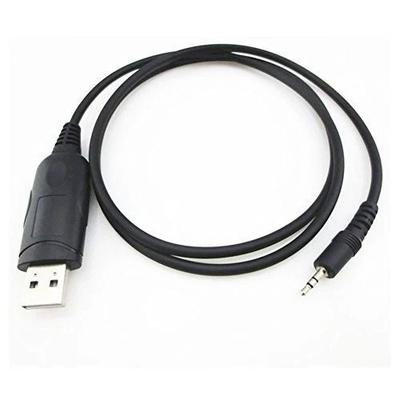
Motorola Programming Cable Motorola Programming CableStaying connected starts with gear you can trust. This 1 pc of Motorola CP200 programming cable makes it easier to program compatible radios quickly and confidently, whether you manage a fleet or maintain a few essential units. Designed for users...49,97 $*Shipping: 0,00 $Secure redirect to the provider
-
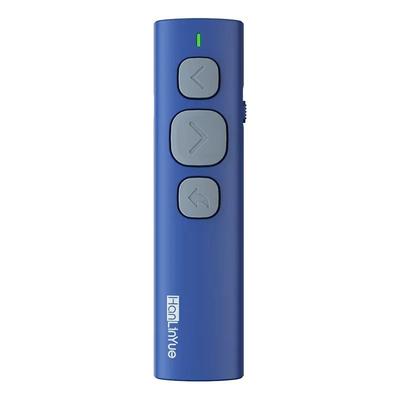
Bluetooth Page Turner Remote For Ebooks And Video Scrolling blueEnjoy handsfree reading, swiping, and scrolling with this compact Bluetooth Page Turner Remote. Whether you're flipping through an ebook, scrolling social media, or watching short videos, this wireless remote gives you fingertip control from a...42,97 $*Shipping: 0,00 $Secure redirect to the provider
-
Learning Resources Switcheroo Coding CrewJoin the Switcheroo Coding Crew for challenge-solving, obstacle-evading, screen-free rescue missions! Preschoolers save the day the coding way with this three-in-one rescue robot who's ready for early STEM fun! Snap on a vehicle shell to transform...59,99 $*Shipping: 0,00 $Secure redirect to the provider
-
Learning Resources Pyxel The Coding PetKids use a computer or tablet to program this four-legged friend, then send their commands to the included remote to make the pet move, “talk”, and change facial expressions. Includes Coding Pet, user interface, and remote-activator unit. Pyxel The...124,99 $*Shipping: 0,00 $Secure redirect to the provider


-
Why is the galvanization not working?
The galvanization process may not be working for several reasons. One possible reason could be that the metal surface is not properly cleaned and prepared before the galvanization process, leading to poor adhesion of the zinc coating. Another reason could be that the temperature and chemical composition of the galvanizing bath are not properly maintained, affecting the quality of the coating. Additionally, if the metal being galvanized has a high silicon content, it can lead to a rough and uneven coating. It is important to identify the specific issue in order to troubleshoot and rectify the problem. **
-
What is the principle of galvanization?
The principle of galvanization involves applying a protective zinc coating to steel or iron to prevent corrosion. This is achieved through a process called electroplating, where the metal is immersed in a bath of molten zinc and an electric current is passed through it, causing the zinc to bond to the surface of the metal. This creates a barrier that protects the underlying steel or iron from rust and corrosion, extending the lifespan of the material. Galvanization is commonly used in the construction of structures, such as bridges, fences, and buildings, as well as in the manufacturing of various metal products. **
-
What is the reaction equation for galvanization?
The reaction equation for galvanization involves the coating of iron or steel with a layer of zinc to protect it from corrosion. The equation is: Fe + ZnSO4 → FeSO4 + Zn This reaction involves the displacement of iron by zinc in the zinc sulfate solution, resulting in the formation of zinc coating on the iron or steel surface. This zinc coating acts as a sacrificial anode, protecting the underlying iron or steel from rusting. **
-
Why can galvanization only occur through electrolysis?
Galvanization can only occur through electrolysis because it involves the deposition of a thin layer of zinc onto a metal surface. This process requires the use of an electric current to transfer zinc ions from a zinc anode to the metal surface, creating a protective coating. Without the use of electrolysis, it would be impossible to achieve the controlled deposition of zinc onto the metal surface, which is essential for galvanization to occur. **


What is the difference between tinning and galvanization?
Tinning is the process of coating a metal surface with a thin layer of tin to protect it from corrosion and improve its appearance. Galvanization, on the other hand, involves coating a metal surface with a layer of zinc to protect it from rust and corrosion. While both processes aim to protect the metal from corrosion, tinning uses tin as the coating material, whereas galvanization uses zinc. Additionally, galvanization provides better protection against corrosion in harsh environments compared to tinning. **
Can you explain the process of galvanization? I need help.
Galvanization is a process of applying a protective zinc coating to steel or iron to prevent rusting. The process involves cleaning the metal surface to remove any impurities, then immersing it in a bath of molten zinc at a high temperature. The zinc bonds with the metal surface through a metallurgical reaction, creating a durable and corrosion-resistant coating. This coating acts as a sacrificial anode, protecting the underlying metal from rust and corrosion. **
Top-Angebote
Products related to Galvanization:
-
Waveshare STM8 Programmer Adapter QFP48 SWIM Development Board For MCU Programming Waveshare STM8 Programmer Adapter QFP48 SWIM Development Board For MCU ProgrammingBring confidence and precision to every programming project with the STM8 programmer adapter designed for developers, engineers, and electronics enthusiasts. This compact QFP48 programmer provides a reliable platform for programming, debugging, and...109,97 $*Shipping: 0,00 $Secure redirect to the provider
-
Jaguar Land Rover USB Diagnostic Cable For OBD Programming Key Coding & Fault Scanner For Jaguar Land RoverTake control of your vehicle diagnostics with this powerful Jaguar Land Rover diagnostic cable designed for precision and ease. Built for mechanics, car enthusiasts, and DIY users, it lets you quickly identify faults, program systems, and match keys...79,97 $*Shipping: 0,00 $Secure redirect to the provider
-
Motorola Programming Cable Motorola Programming CableStaying connected starts with gear you can trust. This 1 pc of Motorola CP200 programming cable makes it easier to program compatible radios quickly and confidently, whether you manage a fleet or maintain a few essential units. Designed for users...49,97 $*Shipping: 0,00 $Secure redirect to the provider
-
Bluetooth Page Turner Remote For Ebooks And Video Scrolling blueEnjoy handsfree reading, swiping, and scrolling with this compact Bluetooth Page Turner Remote. Whether you're flipping through an ebook, scrolling social media, or watching short videos, this wireless remote gives you fingertip control from a...42,97 $*Shipping: 0,00 $Secure redirect to the provider
-
What is galvanization?
Galvanization is the process of applying a protective zinc coating to steel or iron to prevent rusting. This is typically done by immersing the metal in a bath of molten zinc, or by applying a zinc-rich paint or powder coating. The zinc coating acts as a sacrificial anode, meaning it will corrode before the underlying metal, providing long-lasting protection against rust and corrosion. Galvanization is commonly used in outdoor structures, such as fences, guardrails, and metal roofs, to extend their lifespan and durability. **
-
Is galvanization possible without electricity?
Yes, galvanization is possible without electricity through a process called hot-dip galvanizing. In this method, the metal is dipped into a bath of molten zinc at a temperature of around 860°F (460°C). The high temperature causes the zinc to bond with the metal, creating a protective coating. This process does not require electricity, making it a viable option for galvanizing metal without the need for electrical power. **
-
Why is the galvanization not working?
The galvanization process may not be working for several reasons. One possible reason could be that the metal surface is not properly cleaned and prepared before the galvanization process, leading to poor adhesion of the zinc coating. Another reason could be that the temperature and chemical composition of the galvanizing bath are not properly maintained, affecting the quality of the coating. Additionally, if the metal being galvanized has a high silicon content, it can lead to a rough and uneven coating. It is important to identify the specific issue in order to troubleshoot and rectify the problem. **
-
What is the principle of galvanization?
The principle of galvanization involves applying a protective zinc coating to steel or iron to prevent corrosion. This is achieved through a process called electroplating, where the metal is immersed in a bath of molten zinc and an electric current is passed through it, causing the zinc to bond to the surface of the metal. This creates a barrier that protects the underlying steel or iron from rust and corrosion, extending the lifespan of the material. Galvanization is commonly used in the construction of structures, such as bridges, fences, and buildings, as well as in the manufacturing of various metal products. **
Similar search terms for Galvanization
-
Learning Resources Switcheroo Coding CrewJoin the Switcheroo Coding Crew for challenge-solving, obstacle-evading, screen-free rescue missions! Preschoolers save the day the coding way with this three-in-one rescue robot who's ready for early STEM fun! Snap on a vehicle shell to transform...59,99 $*Shipping: 0,00 $Secure redirect to the provider
-
Learning Resources Pyxel The Coding PetKids use a computer or tablet to program this four-legged friend, then send their commands to the included remote to make the pet move, “talk”, and change facial expressions. Includes Coding Pet, user interface, and remote-activator unit. Pyxel The...124,99 $*Shipping: 0,00 $Secure redirect to the provider
-
SmartScroll Bluetooth Ring Remote For TikTok, EBooks & Hands Free Phone Control yellowEnjoy effortless scrolling, page turning, and video control with this sleek Bluetooth ring remote designed for modern multitaskers. Whether you're reading eBooks, recording content, streaming videos, or relaxing handsfree, this compact controller...34,97 $*Shipping: 0,00 $Secure redirect to the provider
-
Bluetooth Page Turner Remote For Ebooks And Video Scrolling whiteEnjoy handsfree reading, swiping, and scrolling with this compact Bluetooth Page Turner Remote. Whether you're flipping through an ebook, scrolling social media, or watching short videos, this wireless remote gives you fingertip control from a...42,97 $*Shipping: 0,00 $Secure redirect to the provider
-
What is the reaction equation for galvanization?
The reaction equation for galvanization involves the coating of iron or steel with a layer of zinc to protect it from corrosion. The equation is: Fe + ZnSO4 → FeSO4 + Zn This reaction involves the displacement of iron by zinc in the zinc sulfate solution, resulting in the formation of zinc coating on the iron or steel surface. This zinc coating acts as a sacrificial anode, protecting the underlying iron or steel from rusting. **
-
Why can galvanization only occur through electrolysis?
Galvanization can only occur through electrolysis because it involves the deposition of a thin layer of zinc onto a metal surface. This process requires the use of an electric current to transfer zinc ions from a zinc anode to the metal surface, creating a protective coating. Without the use of electrolysis, it would be impossible to achieve the controlled deposition of zinc onto the metal surface, which is essential for galvanization to occur. **
-
What is the difference between tinning and galvanization?
Tinning is the process of coating a metal surface with a thin layer of tin to protect it from corrosion and improve its appearance. Galvanization, on the other hand, involves coating a metal surface with a layer of zinc to protect it from rust and corrosion. While both processes aim to protect the metal from corrosion, tinning uses tin as the coating material, whereas galvanization uses zinc. Additionally, galvanization provides better protection against corrosion in harsh environments compared to tinning. **
-
Can you explain the process of galvanization? I need help.
Galvanization is a process of applying a protective zinc coating to steel or iron to prevent rusting. The process involves cleaning the metal surface to remove any impurities, then immersing it in a bath of molten zinc at a high temperature. The zinc bonds with the metal surface through a metallurgical reaction, creating a durable and corrosion-resistant coating. This coating acts as a sacrificial anode, protecting the underlying metal from rust and corrosion. **
* All prices are inclusive of VAT and, if applicable, plus shipping costs. The offer information is based on the details provided by the respective shop and is updated through automated processes. Real-time updates do not occur, so deviations can occur in individual cases. ** Note: Parts of this content were created by AI.