Buy smtebooks.eu ?
We are moving the project
smtebooks.eu .
Are you interested in purchasing the domain
smtebooks.eu ?
domain@kv-gmbh.de · 0541-91531010
Buy smtebooks.eu ?
How should the base for terrace construction look like: Gravel on sand?
The base for terrace construction should ideally be a combination of gravel and sand. The gravel provides stability and drainage, while the sand helps to level the surface and provide a solid foundation for the terrace. It is important to ensure that the base is properly compacted to prevent settling and shifting over time. Additionally, a geotextile fabric can be used to help prevent weed growth and further stabilize the base. **
How much sand do I need for 18 square meters of terrace?
To calculate the amount of sand needed for an 18 square meter terrace, you will need to know the depth of the sand layer you want to apply. Typically, for a base layer of sand, you would need about 5-10cm of depth. Assuming you want to apply a 5cm layer of sand, you would need 0.09 cubic meters of sand (18 square meters * 0.05 meters). Therefore, you would need approximately 0.09 cubic meters of sand for an 18 square meter terrace. **


Similar search terms for York-Wallcoverings-Sand-Terrace
Top-Angebote
Products related to York-Wallcoverings-Sand-Terrace:
-
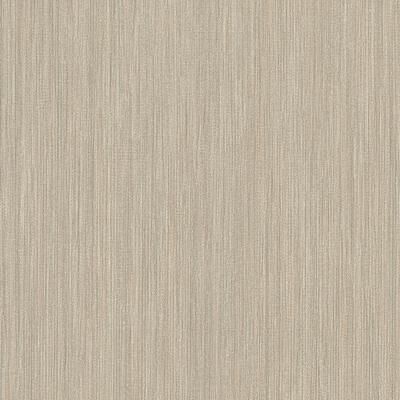
York Wallcoverings Soft Rain Sand WallpaperMovement-filled Soft Rain features raised, golden taupe striations set against a pale taupe backdrop. This Soft Rain Wallpaper measures approximately 20.4 inches wide by 33 feet long, measuring approximately 56.1 square feet per roll.153,00 $*Shipping: 0,00 $Secure redirect to the provider


-
How can I seal elaborate sand sculptures on the terrace to make them weather-resistant?
To seal elaborate sand sculptures on the terrace and make them weather-resistant, you can use a clear acrylic sealer specifically designed for outdoor use. Before applying the sealer, make sure the sculptures are completely dry and free of any loose sand particles. Apply the sealer evenly and thoroughly, making sure to cover all surfaces of the sculptures. Allow the sealer to dry completely according to the manufacturer's instructions before exposing the sculptures to the elements. This will help protect the sculptures from moisture and UV damage, making them more resistant to weathering. **
-
Can one compact rain-soaked topsoil or sand gravel for a concrete slab or gravel terrace?
Yes, it is possible to compact rain-soaked topsoil or sand gravel for a concrete slab or gravel terrace. However, it is important to ensure that the soil or gravel is properly drained and not overly saturated with water before compacting. Compacting wet soil or gravel can lead to uneven settling and poor stability, so it is crucial to wait for the material to dry out sufficiently before compacting. Additionally, using specialized equipment such as a plate compactor or roller can help achieve proper compaction for a solid foundation. **
-
Is a 10 cm high layer of sand on clay soil sufficient for paving a garden terrace?
A 10 cm high layer of sand on clay soil may not be sufficient for paving a garden terrace. Clay soil has a tendency to retain water and expand when wet, which can cause the sand layer to shift and settle over time, leading to an uneven surface for the terrace. It is recommended to consult with a professional landscaper or engineer to determine the appropriate depth and type of base material needed for paving a garden terrace on clay soil. **
-
Is learning programming and software development very challenging?
Learning programming and software development can be challenging for some people, as it requires logical thinking, problem-solving skills, and attention to detail. However, with dedication, practice, and the right resources, it is definitely achievable. Breaking down complex concepts into smaller, more manageable parts and seeking help from online tutorials, courses, and communities can make the learning process easier and more enjoyable. Ultimately, the level of challenge will vary depending on the individual's background, experience, and learning style. **

Which programming languages are used in software development?
There are many programming languages used in software development, including popular languages such as Java, Python, C++, JavaScript, and Ruby. Each language has its own strengths and is used for different purposes in software development. For example, Java is commonly used for building enterprise-level applications, while Python is known for its simplicity and versatility. C++ is often used for system software and game development, while JavaScript is essential for web development. Overall, the choice of programming language depends on the specific requirements of the software being developed. **
Is dry sand heavier than wet sand?
No, dry sand is not heavier than wet sand. When sand becomes wet, the water fills the spaces between the grains of sand, adding weight but not necessarily making it heavier. In fact, wet sand can be easier to move and shape because the water helps the grains stick together. **
Top-Angebote
Products related to York-Wallcoverings-Sand-Terrace:
-
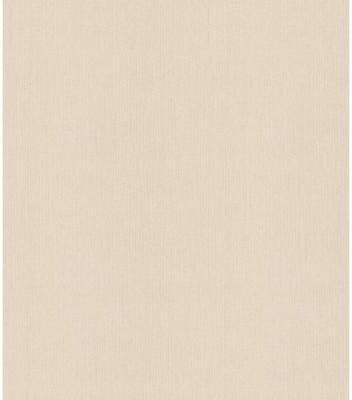
York Wallcoverings Shetland Sand WallpaperLike its namesake, Shetland creates a sense of the archipelago's rustic, wild beauty, woven into a vertical texture with a sense of abandon. Featured here in sandy beige. Unpasted vinyl material. No repeat, random match.153,00 $*Shipping: 0,00 $Secure redirect to the provider
-
How should the base for terrace construction look like: Gravel on sand?
The base for terrace construction should ideally be a combination of gravel and sand. The gravel provides stability and drainage, while the sand helps to level the surface and provide a solid foundation for the terrace. It is important to ensure that the base is properly compacted to prevent settling and shifting over time. Additionally, a geotextile fabric can be used to help prevent weed growth and further stabilize the base. **
-
How much sand do I need for 18 square meters of terrace?
To calculate the amount of sand needed for an 18 square meter terrace, you will need to know the depth of the sand layer you want to apply. Typically, for a base layer of sand, you would need about 5-10cm of depth. Assuming you want to apply a 5cm layer of sand, you would need 0.09 cubic meters of sand (18 square meters * 0.05 meters). Therefore, you would need approximately 0.09 cubic meters of sand for an 18 square meter terrace. **
-
How can I seal elaborate sand sculptures on the terrace to make them weather-resistant?
To seal elaborate sand sculptures on the terrace and make them weather-resistant, you can use a clear acrylic sealer specifically designed for outdoor use. Before applying the sealer, make sure the sculptures are completely dry and free of any loose sand particles. Apply the sealer evenly and thoroughly, making sure to cover all surfaces of the sculptures. Allow the sealer to dry completely according to the manufacturer's instructions before exposing the sculptures to the elements. This will help protect the sculptures from moisture and UV damage, making them more resistant to weathering. **
-
Can one compact rain-soaked topsoil or sand gravel for a concrete slab or gravel terrace?
Yes, it is possible to compact rain-soaked topsoil or sand gravel for a concrete slab or gravel terrace. However, it is important to ensure that the soil or gravel is properly drained and not overly saturated with water before compacting. Compacting wet soil or gravel can lead to uneven settling and poor stability, so it is crucial to wait for the material to dry out sufficiently before compacting. Additionally, using specialized equipment such as a plate compactor or roller can help achieve proper compaction for a solid foundation. **
Similar search terms for York-Wallcoverings-Sand-Terrace
-
York Wallcoverings Soft Rain Sand WallpaperMovement-filled Soft Rain features raised, golden taupe striations set against a pale taupe backdrop. This Soft Rain Wallpaper measures approximately 20.4 inches wide by 33 feet long, measuring approximately 56.1 square feet per roll.153,00 $*Shipping: 0,00 $Secure redirect to the provider
-
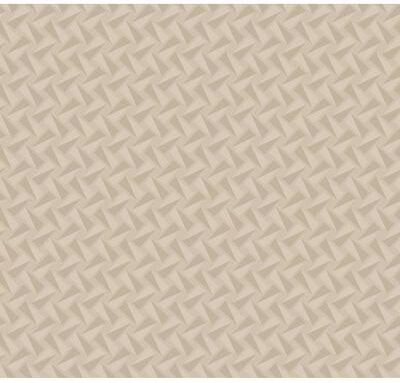
York Wallcoverings Gesso Weave Sand WallpaperDiminutive gesso gridlines add subtle depth to the sandy brown backdrop of Gesso Weave. This Gesso Weave Wallpaper measures approximately 27.5 inches wide by 33 feet long, measuring approximately 75.6 square feet per roll.170,00 $*Shipping: 0,00 $Secure redirect to the provider
-
Is a 10 cm high layer of sand on clay soil sufficient for paving a garden terrace?
A 10 cm high layer of sand on clay soil may not be sufficient for paving a garden terrace. Clay soil has a tendency to retain water and expand when wet, which can cause the sand layer to shift and settle over time, leading to an uneven surface for the terrace. It is recommended to consult with a professional landscaper or engineer to determine the appropriate depth and type of base material needed for paving a garden terrace on clay soil. **
-
Is learning programming and software development very challenging?
Learning programming and software development can be challenging for some people, as it requires logical thinking, problem-solving skills, and attention to detail. However, with dedication, practice, and the right resources, it is definitely achievable. Breaking down complex concepts into smaller, more manageable parts and seeking help from online tutorials, courses, and communities can make the learning process easier and more enjoyable. Ultimately, the level of challenge will vary depending on the individual's background, experience, and learning style. **
-
Which programming languages are used in software development?
There are many programming languages used in software development, including popular languages such as Java, Python, C++, JavaScript, and Ruby. Each language has its own strengths and is used for different purposes in software development. For example, Java is commonly used for building enterprise-level applications, while Python is known for its simplicity and versatility. C++ is often used for system software and game development, while JavaScript is essential for web development. Overall, the choice of programming language depends on the specific requirements of the software being developed. **
-
Is dry sand heavier than wet sand?
No, dry sand is not heavier than wet sand. When sand becomes wet, the water fills the spaces between the grains of sand, adding weight but not necessarily making it heavier. In fact, wet sand can be easier to move and shape because the water helps the grains stick together. **
* All prices are inclusive of VAT and, if applicable, plus shipping costs. The offer information is based on the details provided by the respective shop and is updated through automated processes. Real-time updates do not occur, so deviations can occur in individual cases. ** Note: Parts of this content were created by AI.